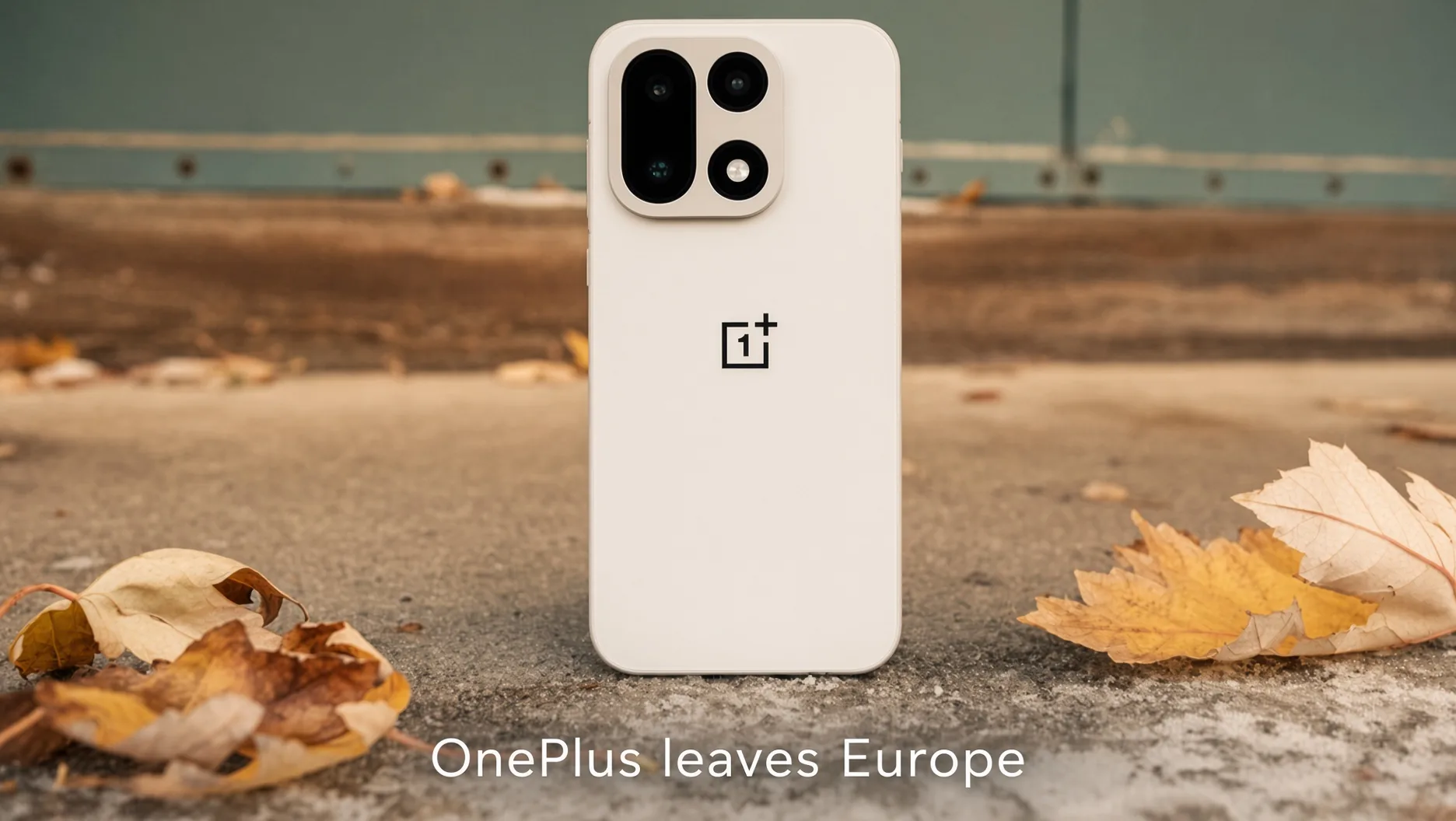
On 16 July 2026, OnePlus confirmed what had been rumoured for months: it is withdrawing from North America and Europe, the UK included. No new OnePlus phones will launch here. For a brand that arrived twelve years ago promising to embarrass the establishment, it is a quiet way to go.
Quick answer: yes, it is true — OnePlus announced its exit from the UK, Europe and North America in July 2026. If you own a OnePlus phone, nothing stops working. The company says warranties, after-sales support and promised software updates continue, remaining stock will sell through, and your phone remains repairable regardless of what the brand does next. There is no reason to panic-sell a phone you are happy with.
The news, verified
This one deserved checking, because the rumour mill ran ahead of the facts. In early 2026, reports claimed OnePlus and its parent Oppo were preparing to abandon Europe — and both companies publicly denied it at the time. Then in July the denial quietly became an announcement: OnePlus confirmed it would stop launching new products in North America and Europe, framing it as “a carefully considered long-term decision” about where to spend its resources.
The official commitments to existing owners are worth recording, because they are the part that matters if you own one:
- software updates already promised for your model will continue;
- warranty and after-sales obligations remain in force;
- remaining inventory continues to sell while stock lasts;
- OxygenOS, the software OnePlus phones run, will transition to Oppo’s ColorOS over the coming months — owners can reportedly choose whether to move across, though staying put may mean forgoing future updates.
OnePlus continues as a going concern elsewhere — India in particular remains a core market — so this is a retreat from the West, not a company shutting its doors.
Why they are really doing it — our take
The official line is about “the right brand in the right market”. The fuller picture, in our reading, has four parts.
The market they were built for stopped existing. OnePlus was made for enthusiasts — people who read spec sheets and bought phones SIM-free. That crowd has shrunk, and in the UK and Europe most phones are sold through carriers, where Samsung and Apple hold the shelf space. OnePlus never cracked carrier distribution here the way it needed to.
They stopped being cheap. The original pitch was flagship hardware at half the price. Recent flagships have been priced within touching distance of the Samsungs they were supposed to undercut. Once the price advantage went, so did the reason for the brand’s existence in a market this competitive.
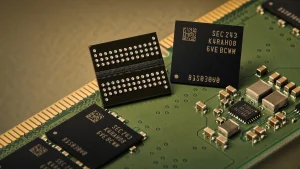
The component squeeze made small players smaller. The ongoing memory shortage has pushed manufacturing costs up sharply across the industry (we have written separately about how RAM prices are reshaping the whole market). When components are scarce and expensive, they flow to the manufacturers with the biggest orders. A brand shifting modest volumes in Europe is exactly the kind of operation that stops making sense on a spreadsheet.
Oppo is consolidating. OnePlus has not been independent for years — it merged into Oppo in 2021. Oppo says it will expand its own presence in Europe with its Find and Reno ranges. Reading between the lines: the parent company would rather run one brand here than two. OnePlus in Europe was not killed by this announcement; it was absorbed years ago, and the announcement made it official.
The rise: things you might not know about OnePlus
The exit reads differently if you remember how remarkable the arrival was. A few pieces of the story that have faded from memory:
- It was founded by two Oppo employees. Pete Lau and Carl Pei set up OnePlus in December 2013 — so the brand that spent years being coy about its relationship with Oppo was born inside it. The wheel has simply come full circle.
- The first phone was a genuine bargain. The 2014 OnePlus One offered top-tier specs at roughly half the price of a Samsung flagship, under the “flagship killer” banner and the “Never Settle” slogan. It sold over a million units by the end of 2014 — with almost no marketing budget.
- You could not simply buy one. For its first years, OnePlus sold phones through an invite system: you needed a code from an existing owner or a competition to be allowed to spend your money. It was part supply management, part marketing genius — scarcity did the advertising.
- The launch campaign asked people to destroy their phones. The “Smash the Past” promotion offered the OnePlus One for one dollar to selected fans who filmed themselves smashing their current phone. Plenty of people misunderstood and smashed their phones without being selected. As a repair shop, we remember this campaign with mixed feelings.
- Its early software was built by outsiders. The One shipped with CyanogenMod, the beloved community-built Android of the era. The partnership collapsed spectacularly when Cyanogen signed an exclusive deal with a rival manufacturer in India — briefly getting OnePlus sales banned there by the Delhi High Court — and forced OnePlus to build its own software in a hurry. That software became OxygenOS, which is now itself being retired in favour of ColorOS.
- One founder left and started again. Carl Pei departed in 2020 and founded Nothing — the London-based brand whose transparent-backed phones now occupy something close to the market position OnePlus abandoned. There is an argument that Nothing is more OnePlus than OnePlus was at the end.
What this means if you own a OnePlus phone
Practically, less than the headlines suggest.
Your phone does not know its maker has left the country. It will keep working, keep receiving the updates already promised, and keep its warranty. The sensible questions are the longer-term ones: what happens when the update window closes, and what happens when something breaks after the official service network has thinned out.
That second question is where independent repair comes in. OnePlus phones are conventionally built — screens, batteries, charging ports and boards are all serviceable, and the parts supply chain for popular models operates independently of the brand’s retail presence. We have repaired OnePlus phones since the days when you needed an invite to own one, and we will keep repairing them long after the last official stock sells through. A worn battery or a cracked screen is a reason for a repair, not a replacement — especially in a year when new phones have never been more expensive.
If your OnePlus is behaving oddly after a software transition, or you are unsure whether a fault is worth fixing on an older model, a diagnostic will give you a straight answer before you spend anything.
Frequently asked questions
Will my OnePlus phone still get software updates?
Yes — OnePlus says updates already promised for your model will be delivered, and has hinted some models may get extended support. Expect the software to shift from OxygenOS towards ColorOS over the coming months.
Is my warranty still valid in the UK?
Yes. OnePlus has stated that warranty and after-sales obligations continue unchanged. Your statutory rights against the retailer who sold you the phone are unaffected by the market exit.
Can OnePlus phones still be repaired in the UK?
Yes. Independent repair does not depend on the brand’s retail presence. Screens, batteries, charging ports, cameras and board-level faults on OnePlus phones remain repairable, and parts for popular models remain available through the same channels as before.
Should I sell my OnePlus phone now?
Not on account of this news. The phone loses no capability, and with new phone prices rising across the market, a working handset you own outright is worth more in use than in a trade-in. Run it until it no longer serves you, and repair it when something wears out.